
Japanese Beetles Are Coming: How to Protect Your Trees Before They Arrive

Every summer, Omaha homeowners start noticing the same thing: Leaves that look like they've been skeletonized.
What started as a healthy tree suddenly appears ragged, thin, and damaged. The culprit? Japanese Beetles.
Japanese Beetles have become one of the most destructive landscape pests in eastern Nebraska and can quickly damage trees, shrubs, flowers, and ornamental plants.
What Do Japanese Beetles Look Like?
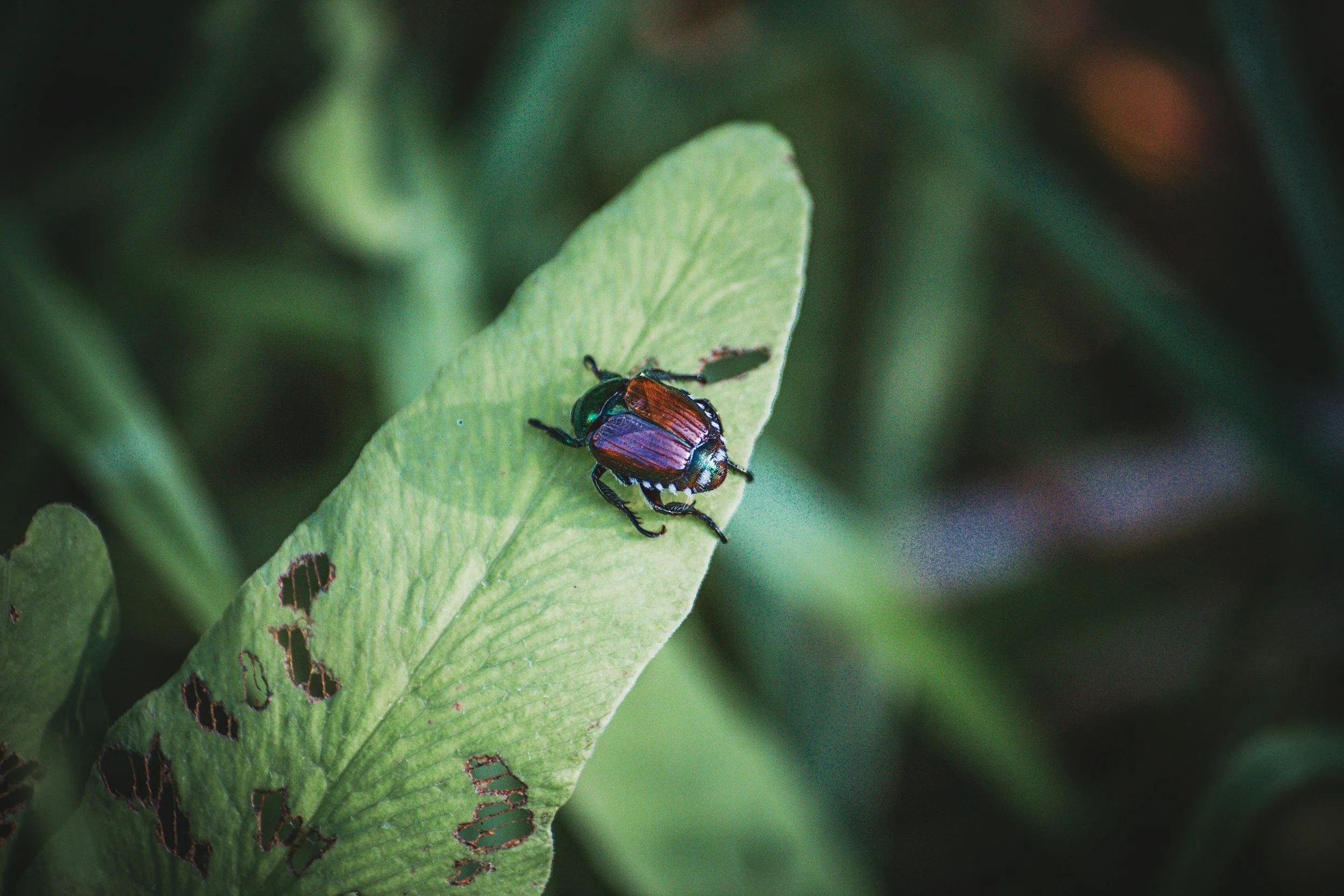
Japanese Beetles are easy to identify.
Adults are approximately half an inch long and have:
Metallic green heads
Copper-colored wings
White tufts along their sides
They typically begin appearing in large numbers around late June and remain active through much of July.
What Trees Do Japanese Beetles Attack?
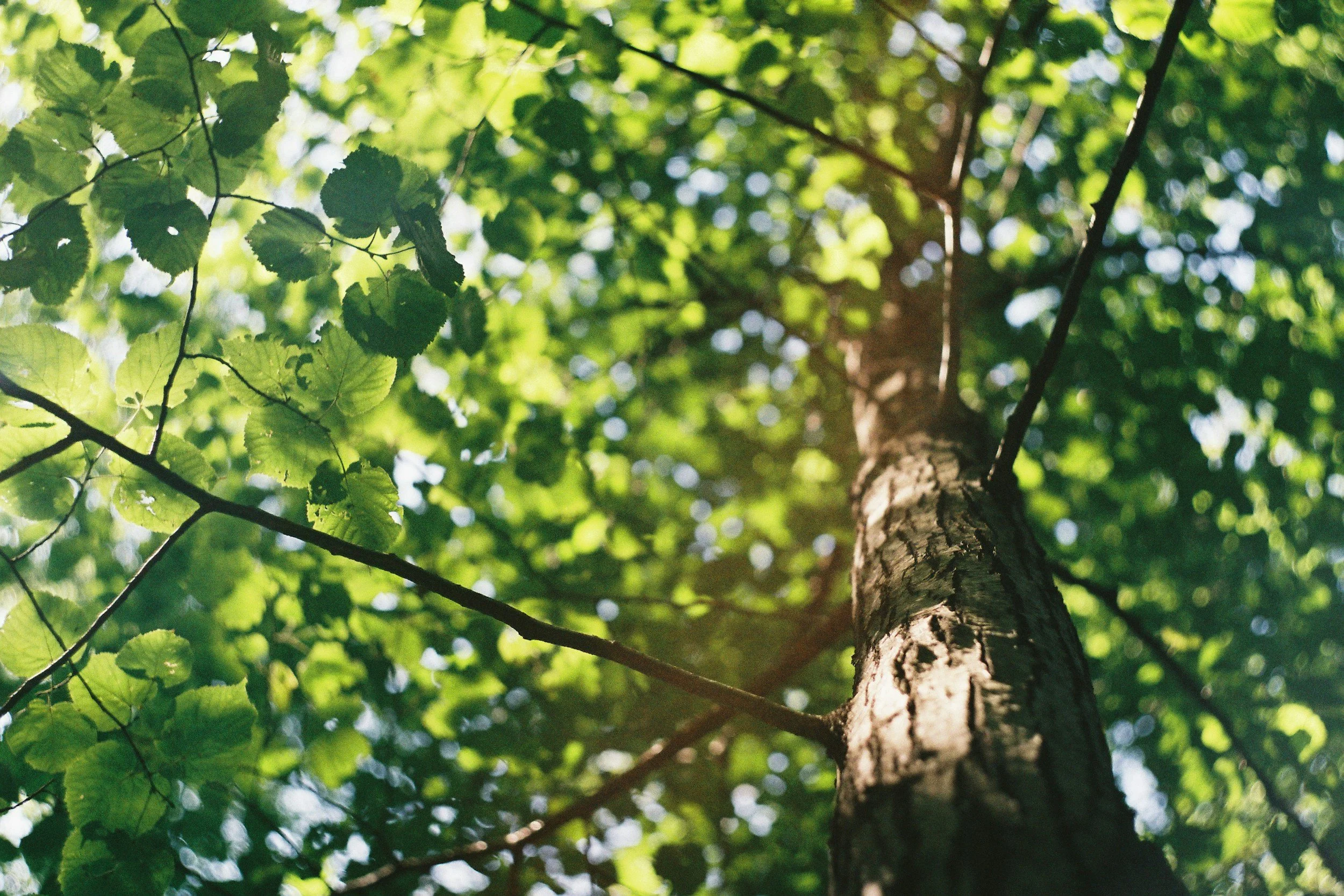
In the Omaha area, Japanese Beetles commonly feed on:
Linden trees
Crabapple trees
Birch trees
Cherry trees
Serviceberry trees
They also attack roses, grapes, and many landscape plants.
What Does Japanese Beetle Damage Look Like?
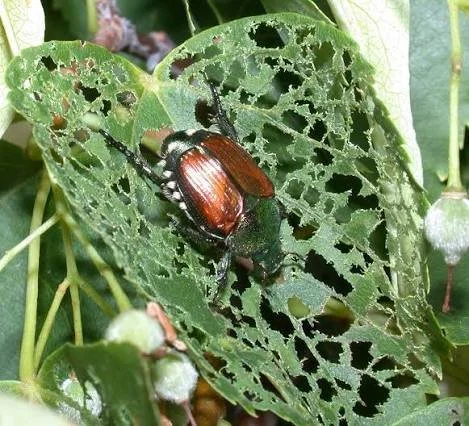
Japanese Beetles feed on leaf tissue between veins. The result is a lace-like appearance often described as "skeletonized" leaves.
Common symptoms include:
Brown leaves
Ragged foliage
Premature leaf drop
Reduced tree appearance
Heavy infestations can severely stress a tree during the hottest part of summer.
Should I Use Japanese Beetle Traps?
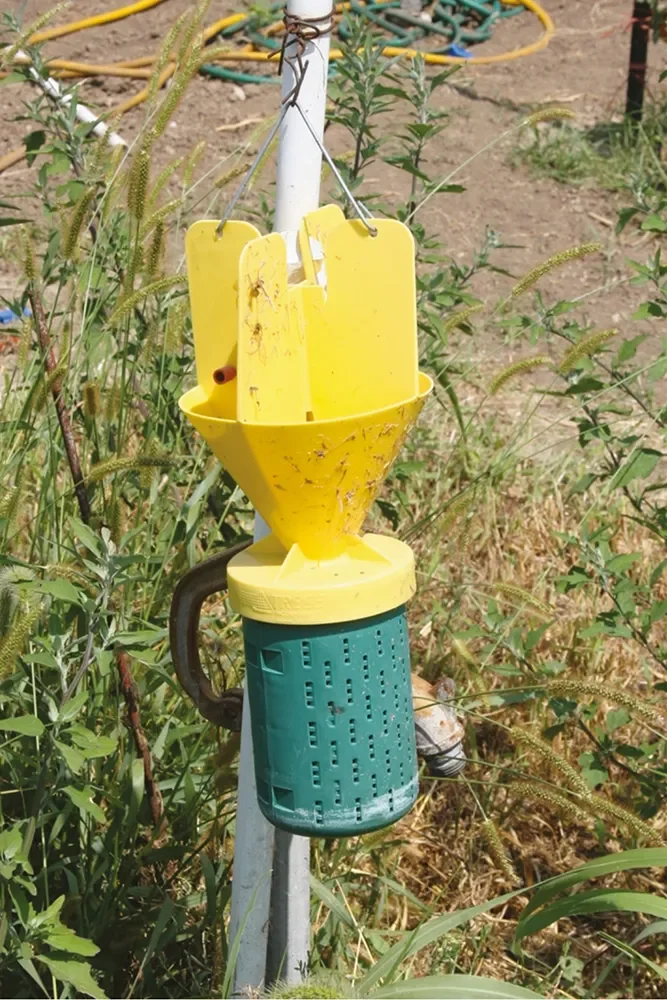
Many homeowners purchase Japanese Beetle traps. Unfortunately, traps often attract more beetles than they capture. In many situations, traps can actually increase damage to nearby plants.
The Best Time To Treat Japanese Beetles
The best time to protect trees is before significant feeding begins. Preventative treatments can reduce damage and protect vulnerable trees throughout the peak feeding season. Early treatment is typically more effective than waiting until trees are heavily infested.
Why Tree Health Matters
Healthy trees are better equipped to recover from insect pressure. This is one reason why regular inspections and Tree Maintenance Plans can help identify problems before they become expensive.
Schedule A Tree Health Consultation
If you have lindens, birches, crabapples, or other susceptible trees, now is the time to think about protection.
American Arborist provides Japanese Beetle treatments and tree health services throughout Omaha, Elkhorn, Bennington, Waterloo, Valley, Gretna, Papillion, La Vista, Ralston, Bellevue, Council Bluffs, Carter Lake, and surrounding communities.
Schedule your free tree consultation today.