
Magnolia Scale in Omaha: Why Your Tree Is Dripping Sap (And How to Save It)
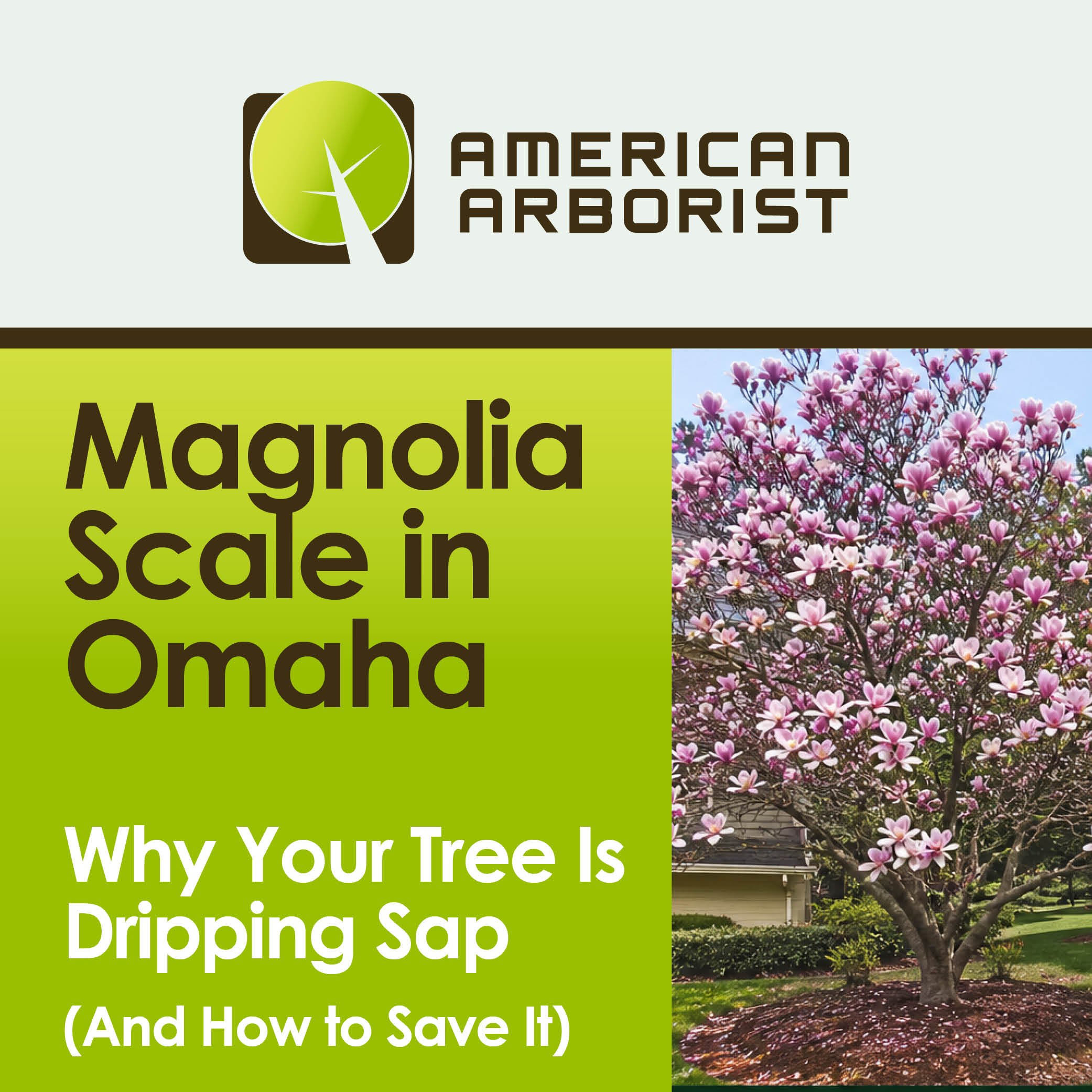
Is your magnolia tree dripping sticky sap or covered in white bumps? Learn how to identify Magnolia Scale, why older treatments may no longer be enough, and how American Arborist protects magnolias in Omaha.
Magnolia trees are some of the most beautiful ornamental trees in Omaha…
But they're also becoming increasingly susceptible to one destructive pest: Magnolia Scale.
If you've noticed sticky sap dripping from your tree, black mold on the leaves, or white, waxy bumps covering the branches, Magnolia Scale may be the culprit. The good news? Magnolia Scale can be managed.
The challenge is that effective treatment today looks very different than it did just a few years ago.
What Is Magnolia Scale?
Magnolia Scale is one of the largest soft scale insects found in North America. These insects attach themselves to twigs and branches where they feed on the tree's sap.
As they feed, they weaken the tree and produce large amounts of honeydew—a sticky substance that coats everything beneath the tree. If left untreated, repeated infestations can cause significant stress, branch dieback, and eventually tree decline.
Common Signs of Magnolia Scale
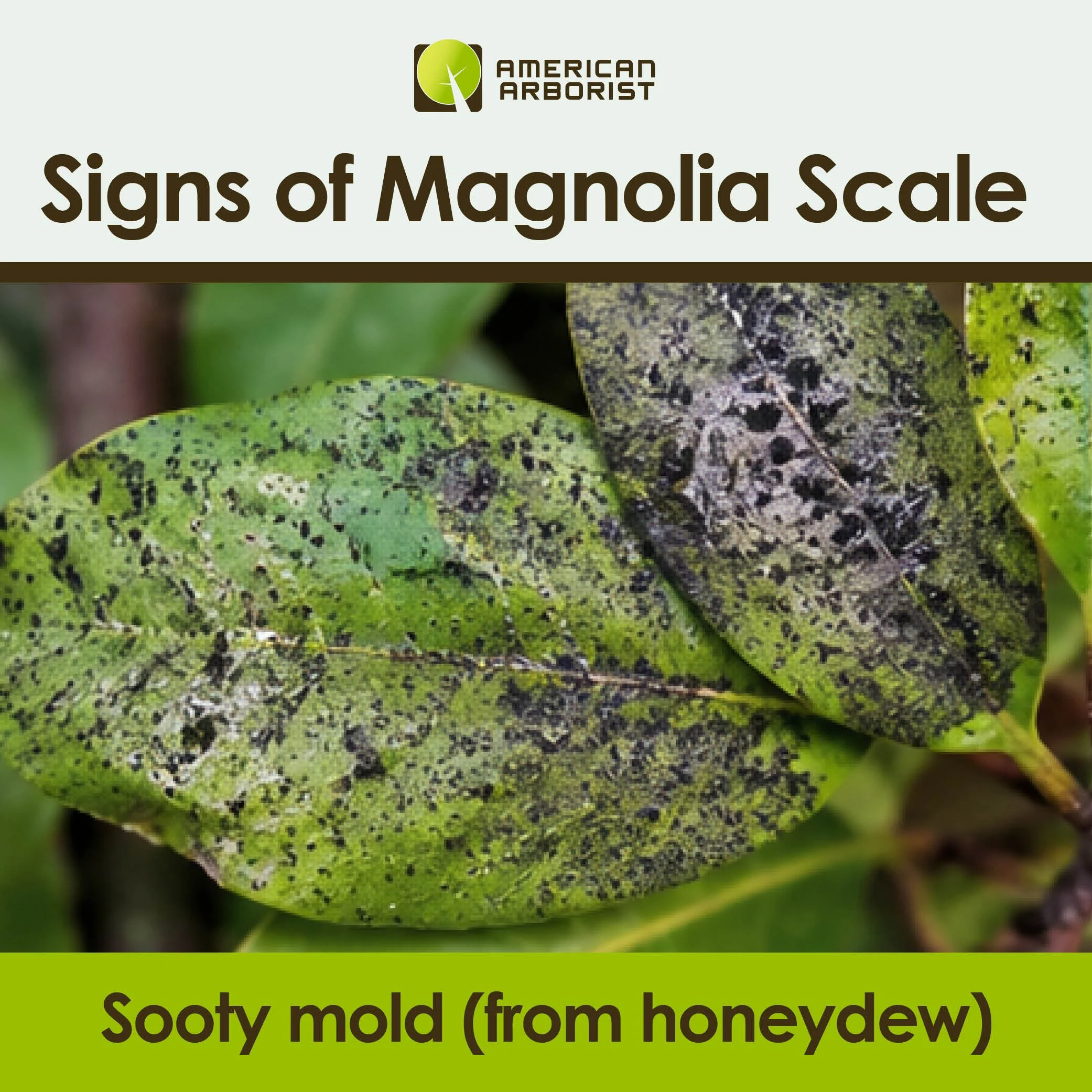
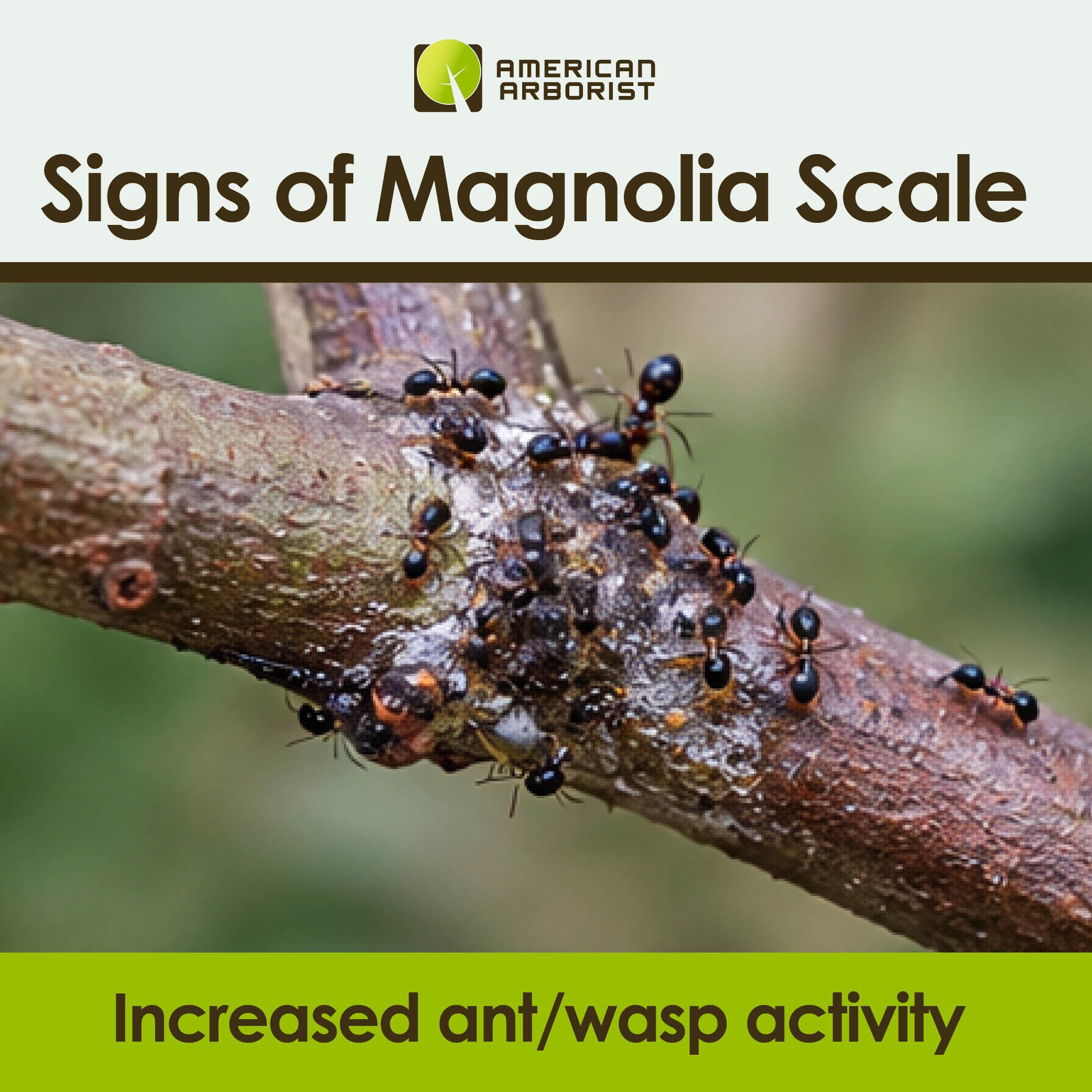
Homeowners often notice symptoms before they ever see the insects themselves.
Common signs include:
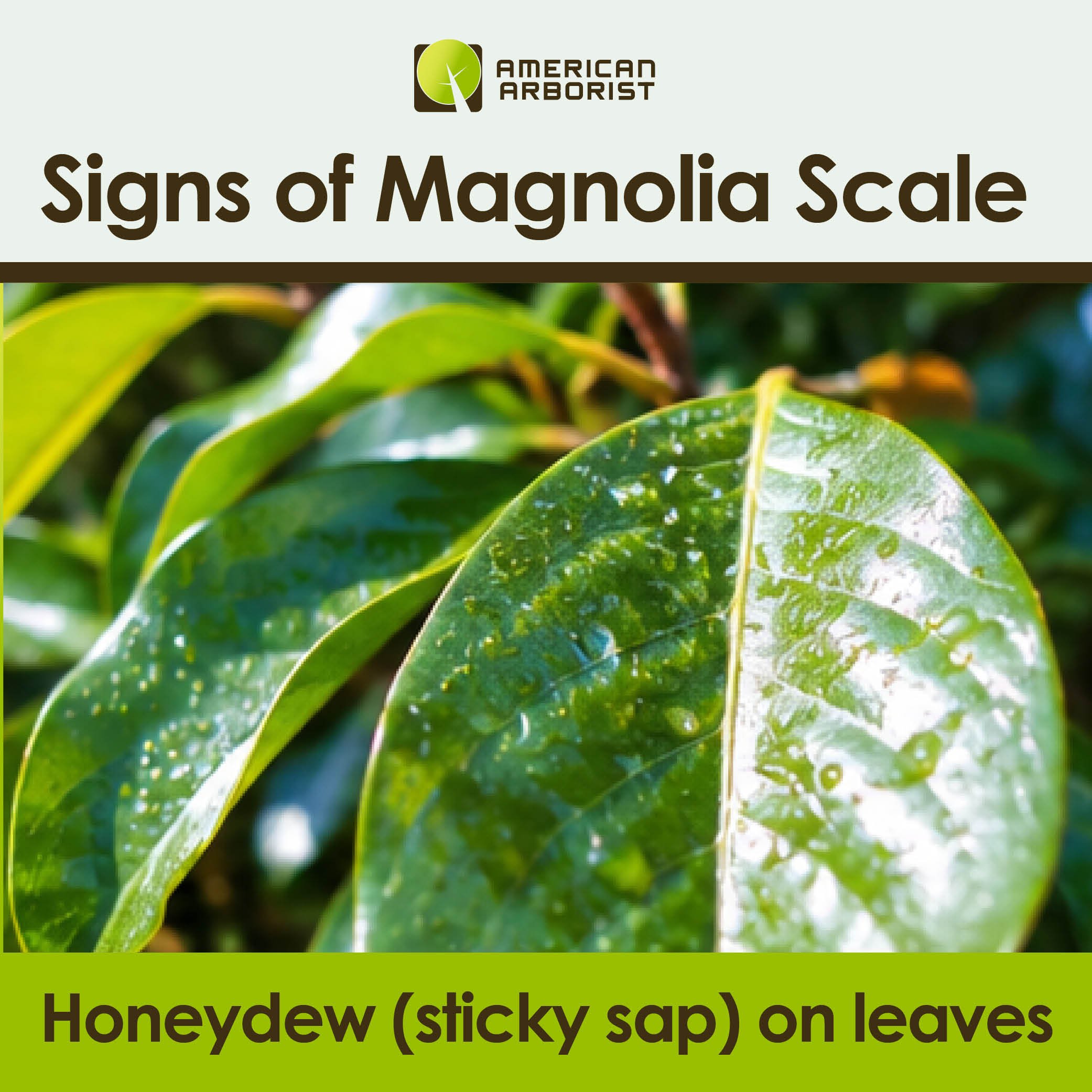
Sticky sap dripping from the tree
Patio furniture or vehicles covered in sticky residue
Black, sooty mold growing on leaves and branches
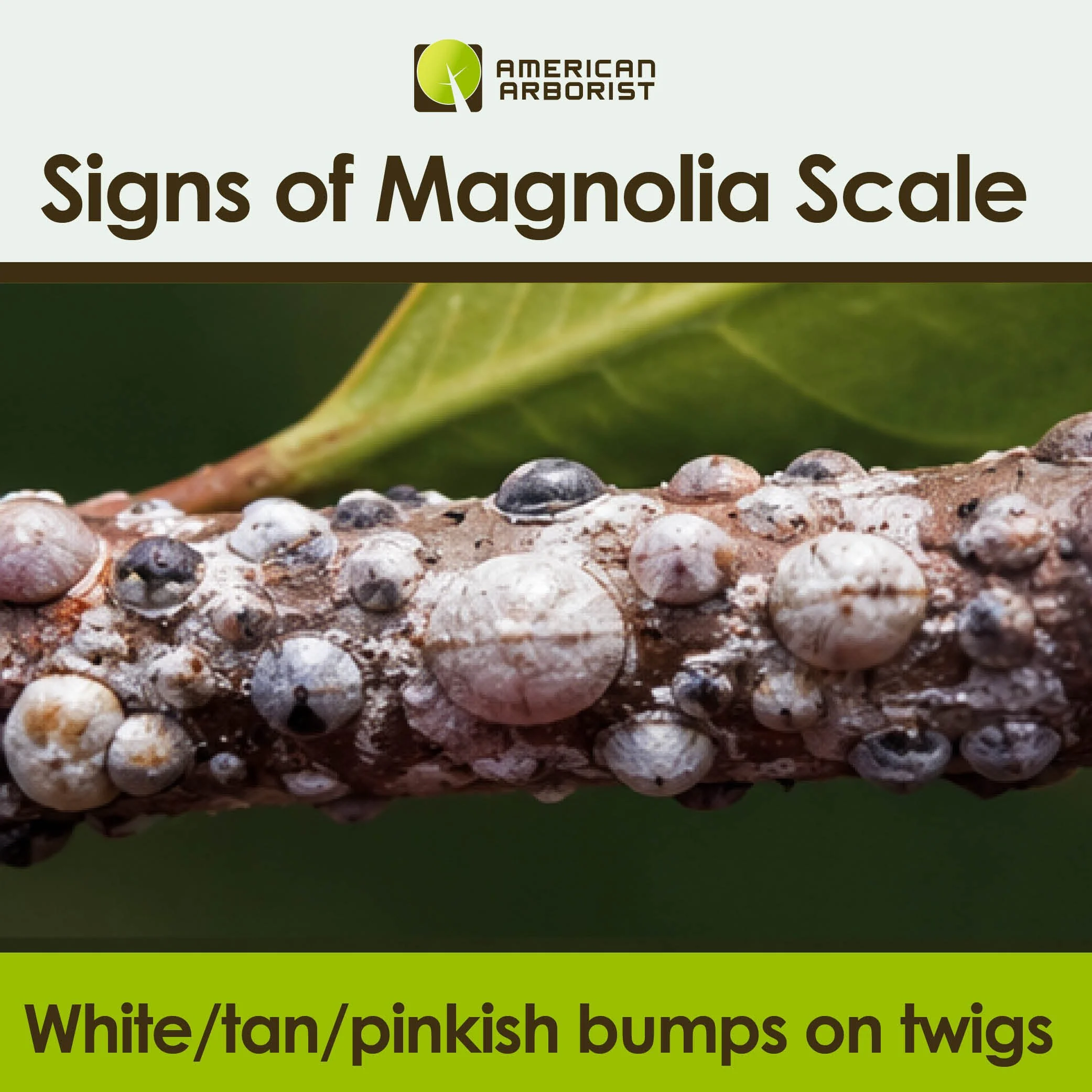
White, tan, or pinkish bumps attached to twigs
Yellowing leaves
Thin canopy
Branch dieback
Increased ant or wasp activity around the tree
Magnolia Scale Frequently Asked Questions
-
Magnolia Scale produces a sugary liquid called honeydew while feeding.
This sticky substance often coats leaves, sidewalks, decks, patios, vehicles, and outdoor furniture.
-
Those white or tan bumps are often Magnolia Scale insects attached to the branches.
Because they remain stationary for much of their life cycle, many homeowners mistake them for part of the tree.
-
Ants are attracted to the honeydew produced by Magnolia Scale.
If you suddenly notice heavy ant activity on a magnolia, it's often a warning sign that scale insects are present.
-
The sticky honeydew allows a fungus called sooty mold to grow.
While the mold itself isn't attacking the tree, it blocks sunlight and reduces the tree's ability to photosynthesize.
-
Unfortunately, yes—it can.
Repeated infestations weaken the tree year after year. Without treatment, Magnolia Scale can eventually lead to severe decline and, in many cases, the loss of the tree.
Why Treatment Has Changed
As Magnolia Scale has become more common throughout eastern Nebraska, arborists and researchers have learned much more about how to manage it effectively.
While previous treatment programs often relied on a single annual application, we've found that long-term control requires a more comprehensive approach that targets the insect during multiple stages of its life cycle.
Today, American Arborist recommends a three-part annual treatment program designed to provide better long-term suppression and improve the overall health of your magnolia.
Our Three-Part Magnolia Scale Treatment Program
1. Summer Trunk Spray (July)
Summer is when Magnolia Scale is most vulnerable. A targeted trunk application helps control active populations before they continue reproducing.
2. Fall Trunk Injection
As the tree prepares for dormancy, a systemic trunk injection provides additional protection from within the tree's vascular system. This strengthens the treatment heading into the following growing season.
3. Dormant Oil Application (Late Winter / Early Spring)
Before new growth begins, a dormant oil application helps smother overwintering scale insects that survived the previous season. Treating at this stage reduces the number of insects emerging the following year.
Saving a Magnolia Is a Process
One of the biggest misconceptions about Magnolia Scale is expecting immediate results. Unlike many insect treatments, Magnolia Scale management isn't a one-time fix. Because the insects have multiple life stages and reproduce over time, successful control typically requires a two- to three-year commitment.
Think of it like restoring your tree's health rather than flipping a switch. Each treatment builds on the previous one, reducing populations while giving the tree time to recover. The earlier treatment begins, the better the chances of preserving your magnolia.
“Is my magnolia Worth Treating?”
We’re getting that question a lot. And for many homeowners, absolutely. Investing in treatment is often far less expensive than losing the tree altogether. Magnolia trees add tremendous beauty, shade, and value to a landscape. Replacing a mature magnolia can cost thousands of dollars—and it may take decades for a replacement to reach the same size.
Schedule a Magnolia Scale Assessment
If your magnolia is dripping sticky sap, covered in white bumps, attracting ants, or showing signs of decline, don't wait. American Arborist provides Magnolia Scale diagnosis and treatment throughout Omaha, Elkhorn, Bennington, Gretna, Papillion, Bellevue, La Vista, Ralston, Council Bluffs, and surrounding communities.
Contact us today to schedule a free tree assessment and learn whether our three-part Magnolia Scale treatment program is right for your tree.